

2026 Honda Pilot: Short Pump Pricing & Leasing Guide
Quick Answer: What a 2026 Pilot Costs in Virginia
The 2026 Pilot spans $42,395 (Sport, front-wheel drive) to $55,195 (Black Edition) in MSRP, with all-wheel drive a $2,100 option on Sport and EX-L and standard from TrailSport up, plus a $1,495 destination charge on every build. Virginia then adds its 4.15% motor vehicle sales tax at purchase, DMV title and registration fees, and — the one out-of-staters never see coming — the annual county personal property tax on the vehicle’s assessed value. Working the other direction: Honda publishes fresh national lease and finance programs every month, Honda of Short Pump layers its own specials on top, and the two stack. Current numbers live on the offers & incentives page; this guide explains every line beneath them.
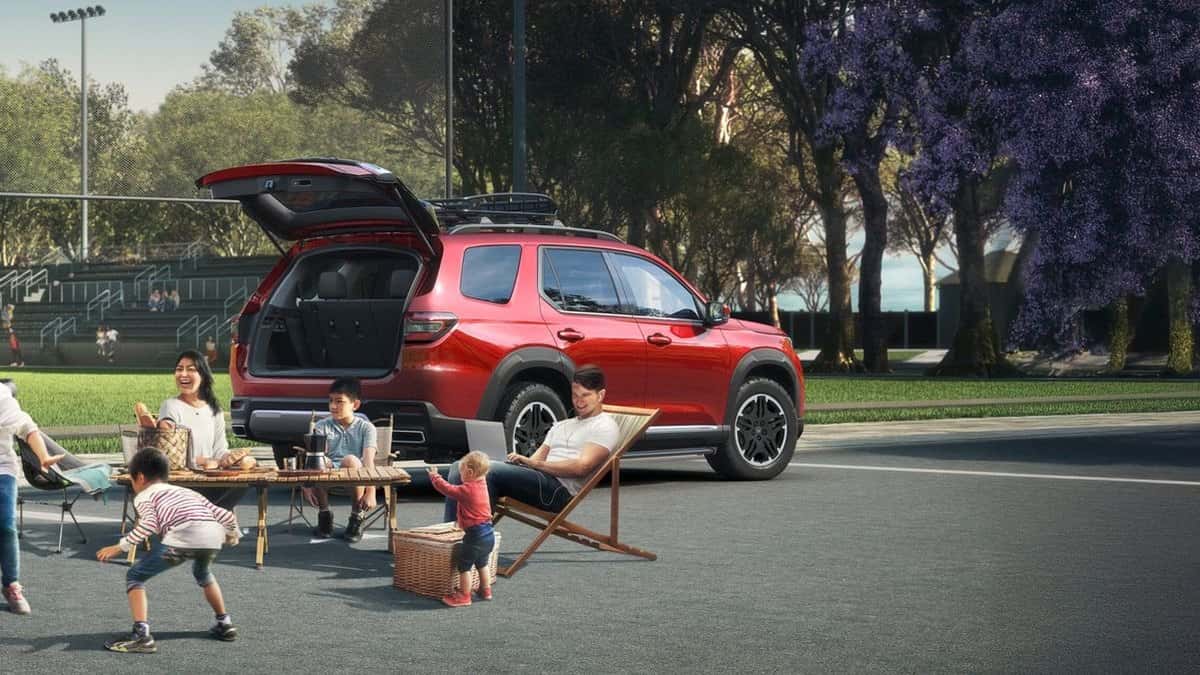
The MSRP ladder, current as of this writing
Sport $42,395 ($44,495 with AWD). EX-L $44,695 ($46,795 AWD). TrailSport $50,595, Touring $51,295, Touring Blackout $52,495, Elite $53,695, Black Edition $55,195 — AWD standard on those five. Every figure excludes the $1,495 destination charge, and premium paint colors add $455. One caution for internet researchers: Honda nudged all Pilot MSRPs up about $200 in spring 2026, and plenty of pricing sites still quote the launch numbers. The window sticker follows the current sheet, so build your budget from these figures or straight from the dealer’s live Pilot inventory, where each listing shows its own price.
Programs refresh monthly — and they stack
Honda rebuilds its national incentive slate at the start of each month: lease support with published money factors, promotional APRs on set terms, and periodic loyalty or conquest bonuses, each with printed expiration dates. On top of that sit the store’s own new vehicle specials, and the two layers combine rather than compete. The practical takeaway for a Short Pump shopper is timing-flexibility: if this month’s Pilot program is thin, next month’s may not be, and a good salesperson will tell you which programs your situation actually qualifies for rather than reading the fine print at you. The reviews suggest that’s the operating style here — “I knew all aspects of total purchase price/ vehicle/ accessories and it wasn’t just a number written on a sticky note,” wrote Killian F. of his July Touring purchase, in what may be the finest one-sentence description of how car pricing should work.
Virginia’s three bites at the apple
- Sales tax at purchase: 4.15%. Virginia’s motor vehicle Sales and Use Tax applies to the sale price (minimum $75), collected when the vehicle is titled. On a $50,000 Pilot that’s roughly $2,075 — notably gentler than the 6%-plus rates in several neighboring states.
- The annual “car tax.” Virginia localities tax vehicles as personal property every year. Henrico County assesses on published loan values and bills annually, with the state’s Personal Property Tax Relief Act subsidizing part of the tax on the first $20,000 of value. The bill is highest when the car is new and declines as it depreciates — plant it in the yearly budget next to insurance, because it surprises every transplant from a state without one.
- Title, registration, and the yearly inspection. DMV fees at purchase, then Virginia’s annual safety inspection (capped at $20 for passenger cars, and handled during routine service). No emissions test applies in the Richmond area.
Lease or buy a Pilot here?
Leasing suits the family that likes a warranty-length relationship with every car: three years, predictable payment, out before the timing belt or tires get expensive, into the next refresh. Pilots also hold value unusually well, which cuts both ways — strong residuals help lease math, and strong resale rewards buyers who hold on. Buying wins for high-mileage households (a Tappahannock or Louisa commute eats a 12,000-mile lease cap alive), for kid-and-dog interiors that would meet turn-in standards ungracefully, and for anyone playing the long game a Honda invites. The annual property tax applies either way, since it follows the registration. Run both structures on the same build before deciding; the finance team can quote them side by side, and a pre-submitted application shortens the showroom sit considerably.
The levers that move your number
Two identical Tourings can leave the lot with different payments for exactly five reasons: credit tier (advertised programs assume the top one), loan term or lease mileage, down payment, trade equity, and calendar timing against the monthly programs. The trade is the lever locals underuse — used values remain strong, and the store buys cars outright: “we don’t just sell cars, we buy them as well” is the pitch on its used side. Get the trade appraised first and the rest of the negotiation happens on smaller, clearer numbers. As for the tone of that negotiation, Tung D.’s July review is representative: “I was ready to go in and spar because I don’t like playing games. I have to say this is the best experience I have ever had.”
Frequently asked questions
How much does a 2026 Honda Pilot cost out the door in Virginia?
MSRP plus $1,495 destination, plus 4.15% sales tax and DMV fees — so a $44,695 EX-L front-driver lands a little over $48,000 before any programs, trade, or negotiation, and a Black Edition clears $58,000. Whatever the month’s offers subtract comes off from there; see the current offers.
How much is it to lease a 2026 Pilot?
Whatever this month’s Honda program makes it — lease support, residuals, and rates reset monthly, so any number printed here would be stale by the time you read it. The honest process: pick the trim, check the current program, and have a quote built on your mileage, term, and money down.
Should I buy or lease a Honda Pilot?
Lease if you drive average miles, like new-car tech every three years, and value payment predictability. Buy if you pile on miles, keep cars long, or want to bank the Pilot’s strong resale value. Families planning the 200,000-mile relationship — a very Honda plan — should buy.
What is Virginia’s car sales tax on a new SUV?
4.15% of the vehicle’s sale price, minimum $75, collected when the vehicle is titled. Note that unlike many states, Virginia does not subtract your trade-in’s value before calculating it — the dealer will run your exact figure, so ask for the itemized out-the-door sheet before signing anything.
What’s the annual property tax on a Pilot in Henrico?
It depends on the county’s current rate and the vehicle’s assessed value each January, with state relief offsetting part of the first $20,000. Expect a meaningful bill in year one that shrinks annually as the truck depreciates; Henrico’s finance office publishes current rates and due dates.
Do Honda offers really change every month?
Yes — programs carry hard expiration dates, usually month-end. If a quoted deal cites a program, the expiration is printed on it, which is also why a quote from March can’t be resurrected in May. The upside: a thin month is followed by a fresh slate, and the store will flag which upcoming programs your target trim tends to draw.
The bottom line
Pilot pricing in Richmond is refreshingly linear: a published MSRP ladder, a flat state tax, a predictable annual county bill, and a monthly stack of programs whose whole job is to pull your number down. Fix the trim with the buyers guide, get the trade valued, and let the current month’s math finish the story — it’s one exit off I-64, whichever direction you’re coming from.
MSRP figures exclude the $1,495 destination charge plus taxes, title, registration, license, and options; dealer sets actual selling price. No lease or finance offer is made or implied on this page; current offers, terms, and expirations are stated on the linked pages and are subject to credit approval. Virginia tax rates, local property tax rates, and DMV fees are set by the Commonwealth and localities and may change. Customer quotes are excerpts from public Google reviews of Honda of Short Pump.
More Pilot research from Honda of Short Pump
- 2026 Honda Pilot: Short Pump Buyers Guide
- 2026 Honda Pilot Sport: Short Pump Buyers Guide
- 2026 Honda Pilot EX-L: Short Pump Buyers Guide
- 2026 Honda Pilot TrailSport: Short Pump Buyers Guide
- 2026 Honda Pilot Touring: Short Pump Buyers Guide
- 2026 Honda Pilot Touring Blackout: Short Pump Buyers Guide
- 2026 Honda Pilot Elite: Short Pump Buyers Guide
- 2026 Honda Pilot Black Edition: Short Pump Buyers Guide
- 2026 Honda Pilot: Short Pump Service & Repair Guide
- 2026 Honda CR-V buyers guide
- All model research guides
